
AN INDEPENDENT PEN GUIDE EST. FOR THE WRITTEN PAGE
The Sailor pen,
in your hand.
A clear look at nibs, shapes and everyday details across four Sailor fountain pens.
01 / THE SELECTION
Four ways to put
ink on paper.
Each card names a specific Sailor listing. Check the seller page for the current variant, package contents and availability.
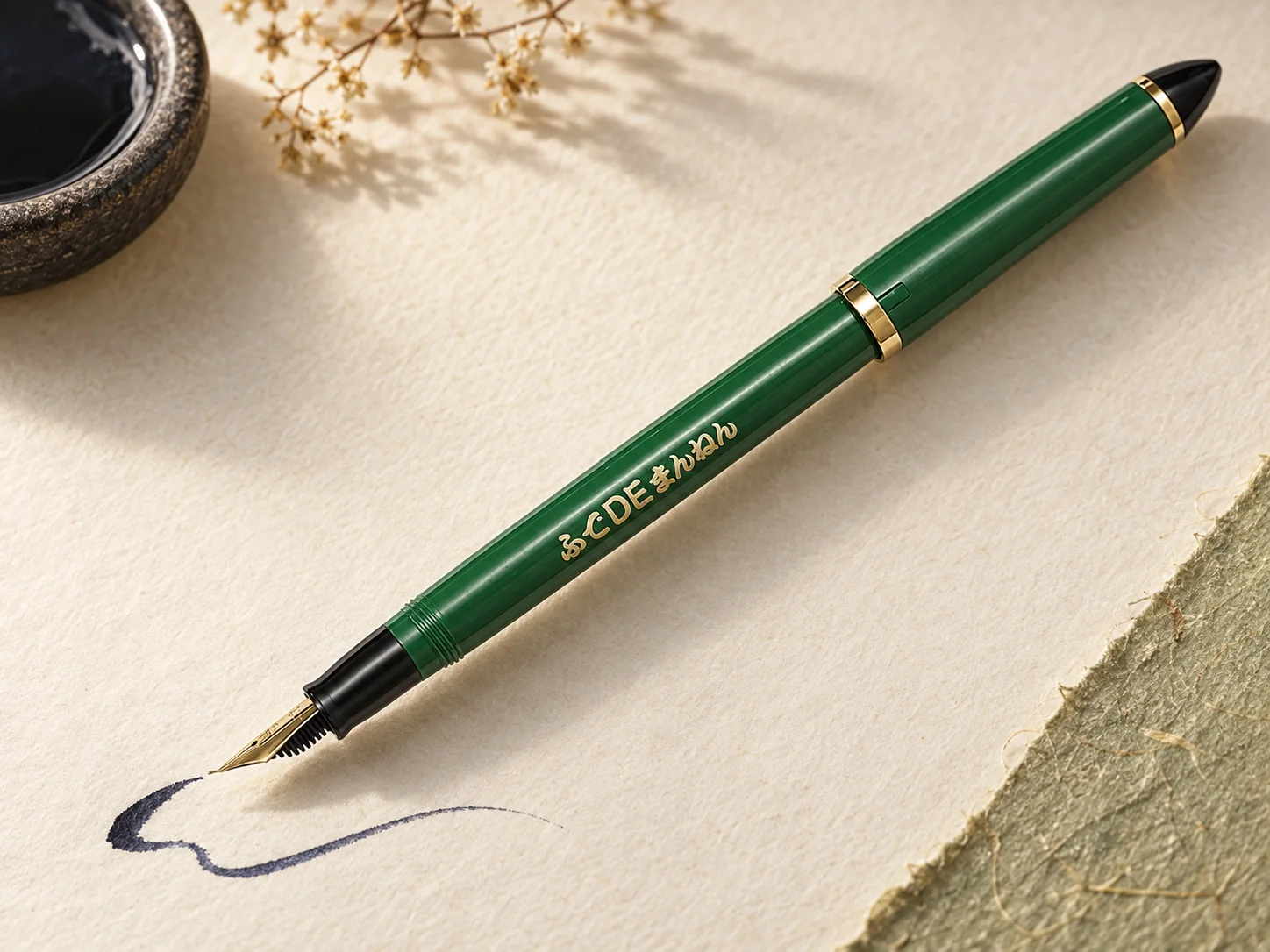
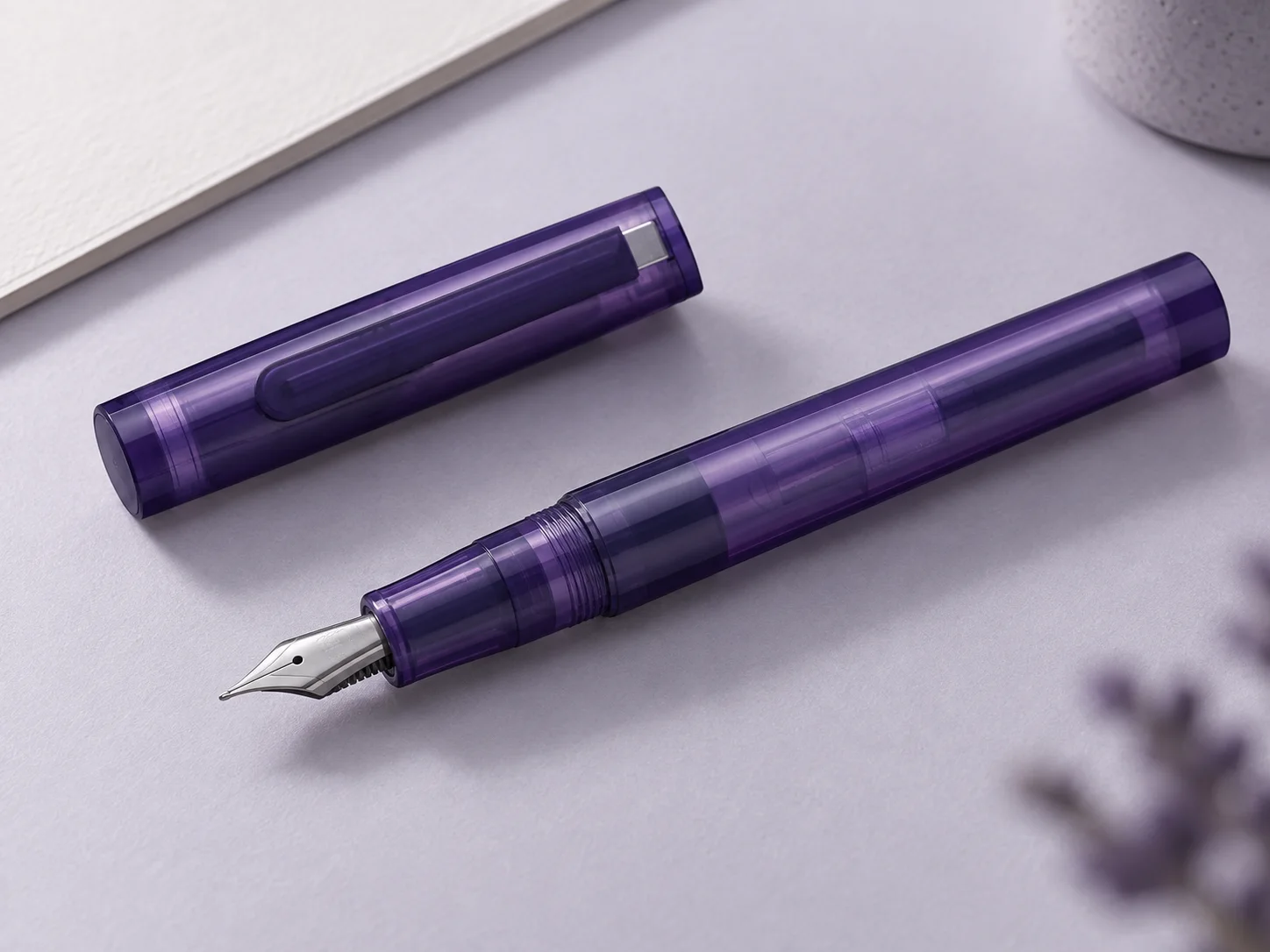
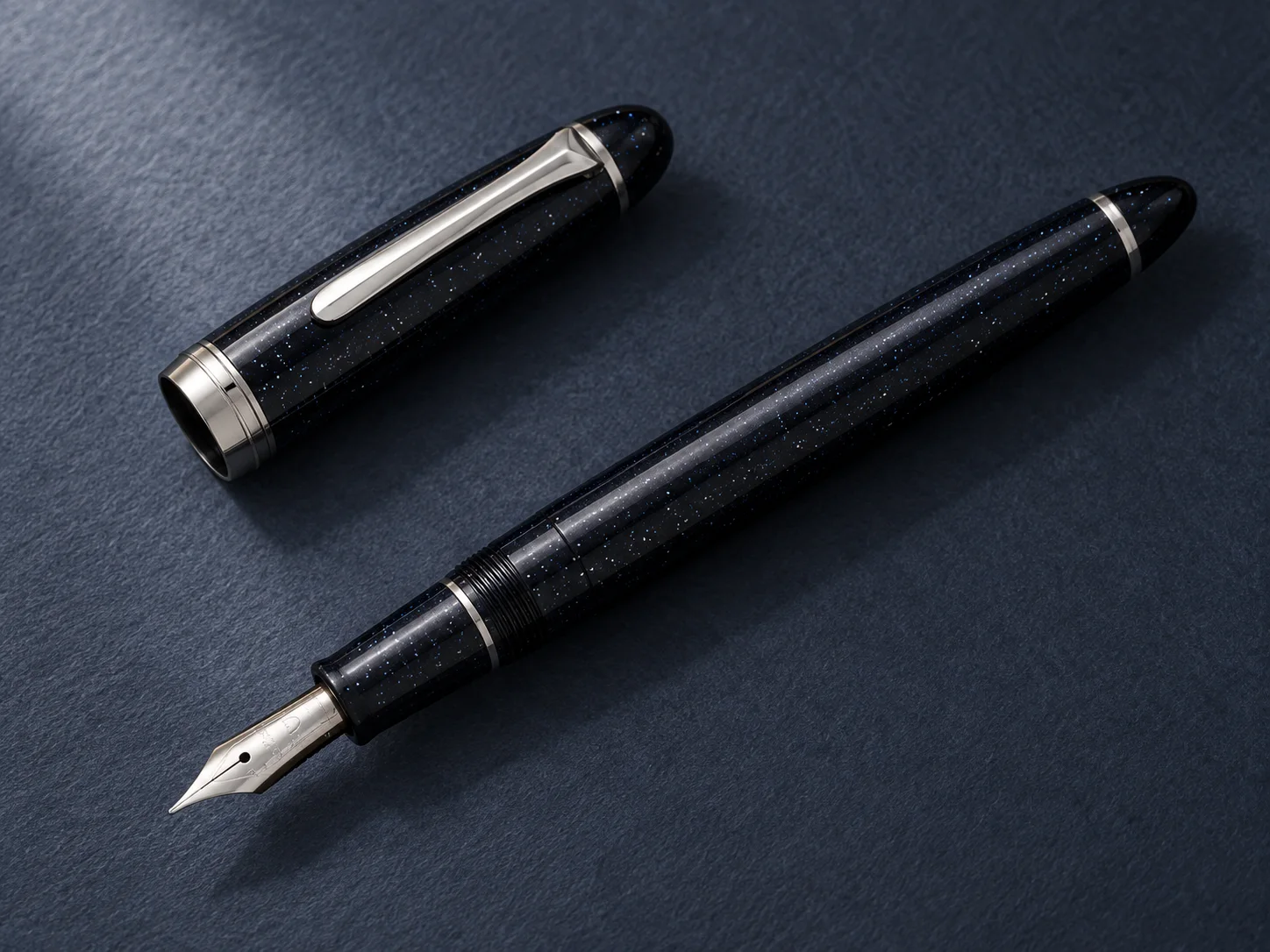
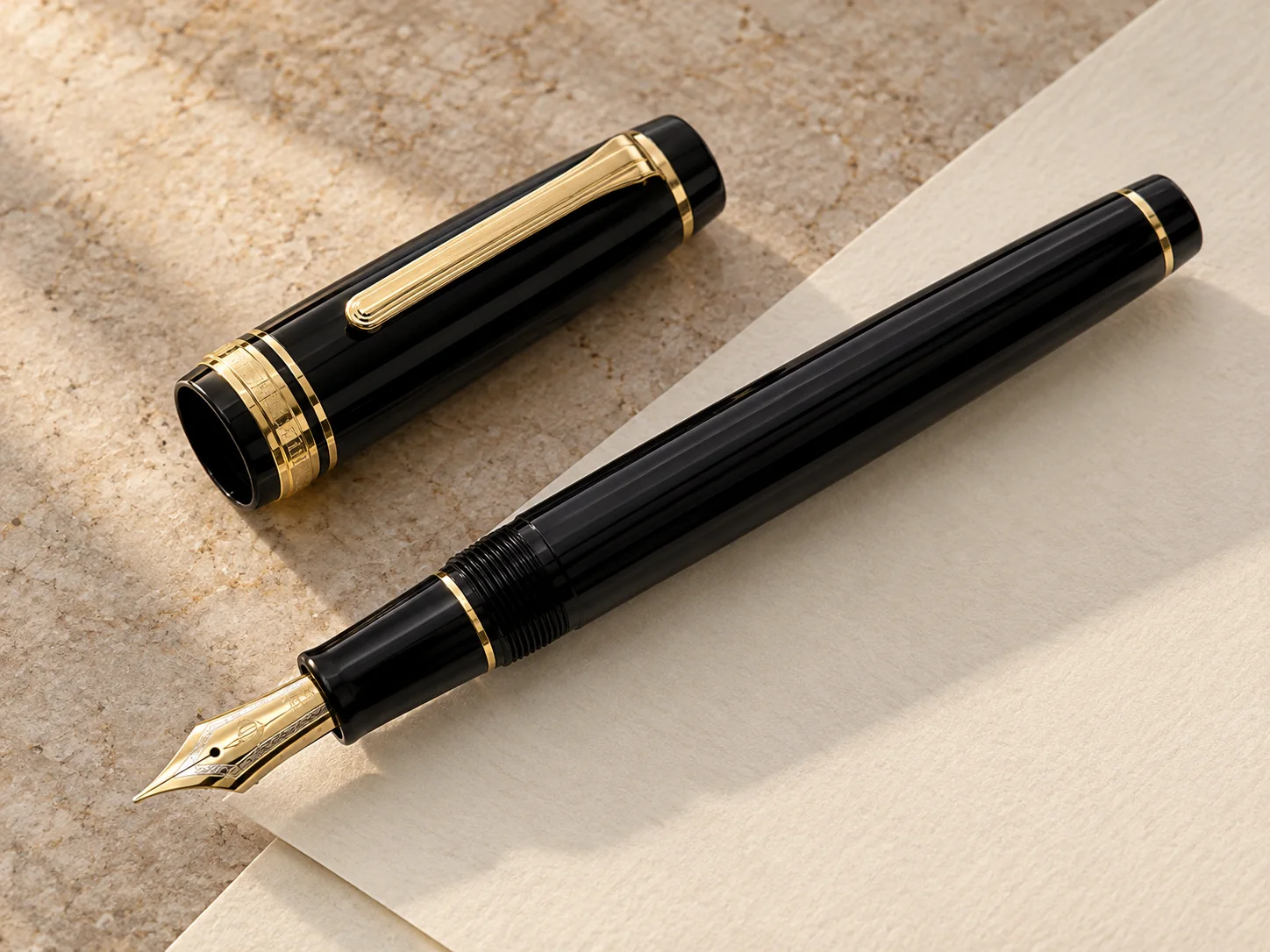
Editorial images are generated from references to the named models. Confirm the exact variant on Amazon before ordering.
02 / SHOP BY CATEGORY
Shop by
category.
Four clear starting points, from expressive drawing to a classic gold nib.
03 / ABOUT SAILOR
A pen maker
since 1911.
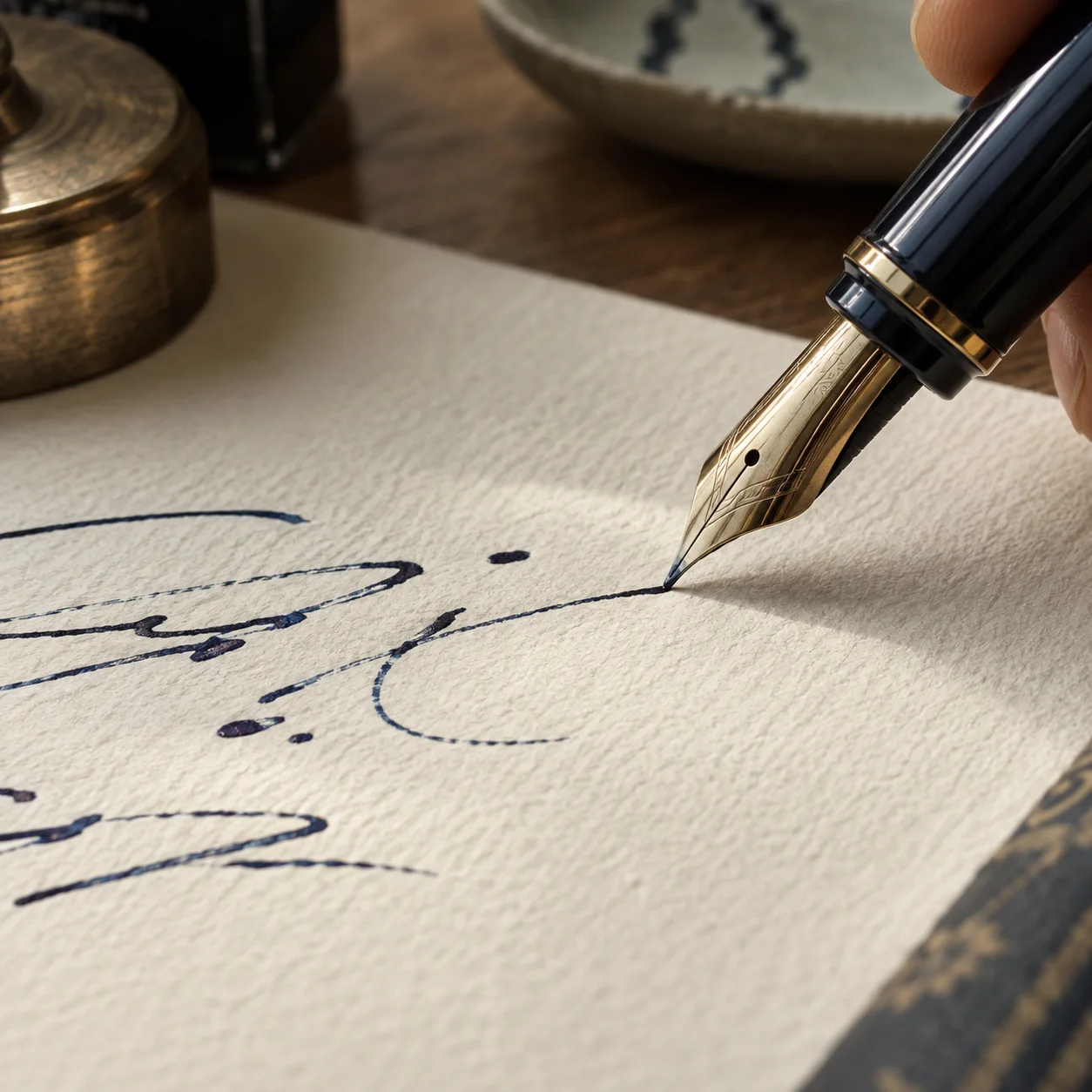
Sailor began in Japan in 1911. Its fountain pen catalog now includes practical steel nibs, 14K and 21K gold nibs, as well as specialty nibs for varied marks on paper.
The pens on this page show four distinct approaches. The comparison focuses on their nibs, grip and writing purpose; finish and included accessories can differ between listings.
Read the pen notes04 / REAL REVIEWS
What writers
actually said.
Short excerpts from independent hands-on reviews. Writing feel varies by nib, ink and paper.
01 / FUDE DE MANNEN · GREEN 55°
“This gives huge line variation.”
Ian Hedley · artist’s hands-on review
02 / TUZU ADJUST · MODEL FAMILY
“It has surprisingly become one of the most comfortable pens I have.”
Toga · guest reviewer at The Pen Addict
03 / SHIKIORI HOSHIKUZU
“It is a buttery smooth steel nib.”
Ana · The Well-Appointed Desk
04 / PRO GEAR · 21K FINE
“But it writes smoothly without a drag on paper.”
Owner review · r/fountainpens
Excerpts describe the named model or model family, not a guarantee for every individual pen or seller listing.
05 / PEN NOTES
A few useful
answers.
Small decisions that make a large difference to the first fill and first page.
The details
worth a pause.
What is different about a fude nib?
Its bent tip can make finer or broader marks as the writing angle changes. The selected green Fude de Mannen is the 55° variant; it is a different tool from a conventional fine nib.
What does TUZU Adjust change?
The nib can rotate in 10° steps to align with the writer’s grip. Check the selected listing for the exact color, nib width and included accessories.
Steel or gold nib?
Both appear in Sailor’s catalog. The selected Shikiori Hisakata uses a steel Fine nib, while the selected Professional Gear listing has a 21K gold Fine nib. Neither material guarantees a particular writing feel for every hand.
Can these pens use bottled ink?
These model families use Sailor cartridge and converter systems. Check the specific listing for whether a converter is included, and use fountain pen ink rather than drawing or India ink.
Which nib size should come first?
Consider handwriting size, paper and preferred line width. Fine is a useful choice for smaller notes, while a fude nib is intended for changing line width. Owner writing samples can help with the final choice.